
Student Activities
Learning Beyond the Classroom
Student activities are an important part of the educational experience at Gurukul College Bathinda. The College seeks to provide opportunities through which students can develop academic confidence, communication skills, creativity, leadership, teamwork and social awareness beyond regular classroom teaching.
Education Extends Beyond the Classroom
College life can provide opportunities for students to learn through participation, interaction, creativity, practical exposure and collaboration.
Academic and co-curricular activities can complement formal teaching by encouraging learners to communicate ideas, explore interests, work with others and take greater responsibility for their development.
The nature and frequency of activities may vary according to academic programmes, available resources, institutional planning and student participation.
Explore. Participate. Learn. Grow.
Student activities can create valuable opportunities for learners to discover abilities, strengthen confidence, develop relationships and connect academic learning with wider social and professional experience.
Learning Through Participation
Activities beyond routine classroom teaching may contribute to several dimensions of student development.
Academic Confidence
Opportunities to present, discuss and apply academic knowledge in different settings.
Communication Skills
Practice in speaking, writing, presenting and communicating ideas effectively.
Creativity
Opportunities for original thinking, artistic expression and innovative approaches.
Leadership
Development of initiative, responsibility, organisation and decision-making abilities.
Teamwork
Learning to cooperate, coordinate and contribute constructively within groups.
Social Awareness
Greater understanding of community, environment, citizenship and social responsibility.
Encouraging Inquiry, Expression & Participation
Academic activities can encourage students to think independently, communicate their ideas effectively and engage more actively with their subjects.
Group Discussions
Exchange ideas, examine viewpoints and learn through collaborative discussion.
Classroom Presentations
Strengthen subject understanding and presentation confidence.
Debates
Develop reasoning, communication and the ability to examine different perspectives.
Quiz Competitions
Encourage knowledge development, recall and active participation.
Essay Writing
Strengthen written expression, organisation of ideas and academic communication.
Poster Presentations
Communicate information through concise visual and written presentation.
Academic Exhibitions
Present subject knowledge, projects and learning activities to a wider audience.
Research-Oriented Assignments
Develop basic inquiry, information gathering and analytical abilities.
Subject-Based Competitions
Encourage students to extend and demonstrate their subject knowledge.
Project Work
Connect academic understanding with investigation, creativity and practical application.
Expanding Knowledge & Practical Awareness
Where organised, seminars and workshops may expose students to academic, professional and contemporary areas of learning.
Academic Subjects
Research Methodology
Communication Skills
Technology
Entrepreneurship
Career Planning
Digital Literacy
Environmental Awareness
Personality Development
Connecting Learning with the Wider World
Field and educational visits may provide opportunities for students to observe how knowledge and professional practices operate outside the classroom.
The nature and destination of any visit may vary according to the programme, subject, academic purpose, permissions and availability.
Industries
Businesses
Universities
Libraries
Historical Sites
Museums
Community Organisations
Courts
Government Institutions
Technology Centres
Creativity, Expression & Cultural Diversity
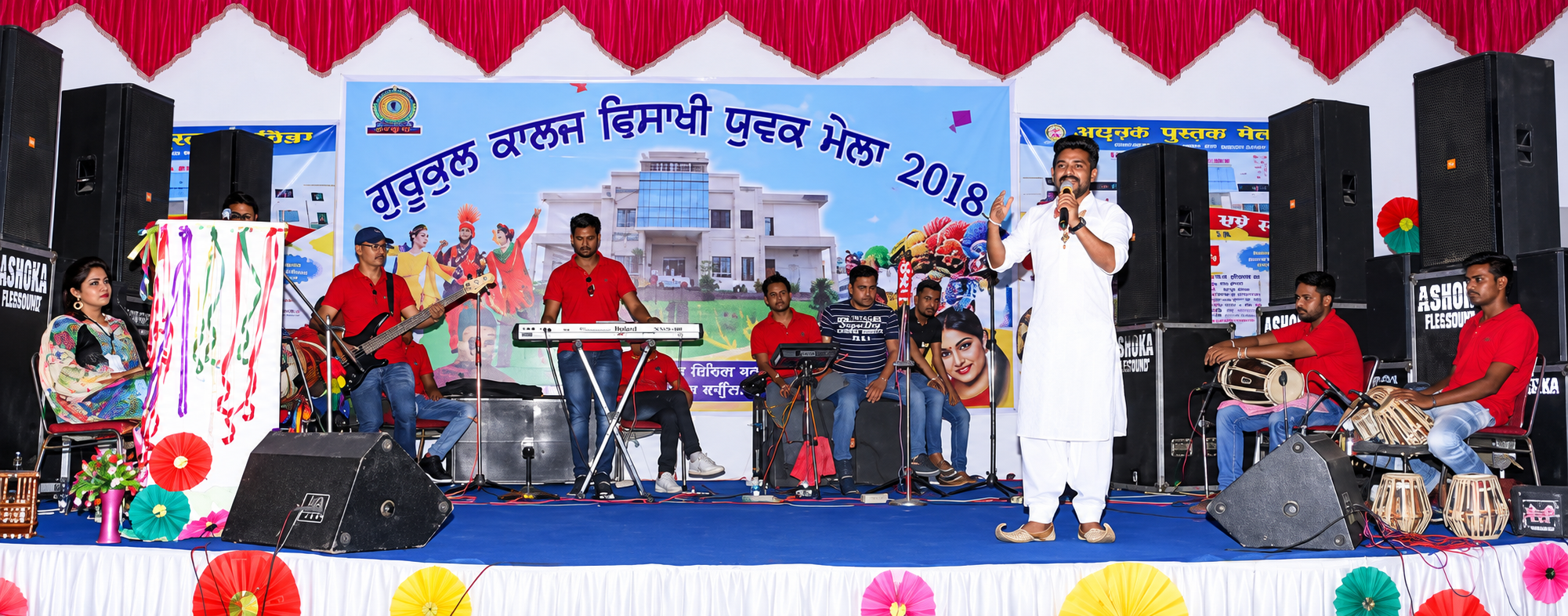
Cultural activities can provide learners with opportunities to express creativity, build confidence and engage with cultural and literary traditions.
Music
Vocal, instrumental and related musical activities.
Dance
Individual and group cultural performances.
Theatre
Drama, performance and stage-based activities.
Poetry
Poetry writing, recitation and literary expression.
Folk Arts
Engagement with appropriate folk and artistic traditions.
Heritage Activities
Activities encouraging awareness of culture and heritage.
Literary Programmes
Writing, reading, discussion and literary participation.
Creative Expression
Opportunities for students to explore and present creativity.
Encouraging Awareness & Responsibility
Appropriate student activities may help learners understand their relationship with the community, environment and wider society.
Cleanliness
Activities promoting awareness of clean and responsible surroundings.
Environment
Activities relating to environmental awareness and responsible practices.
Health Awareness
Appropriate awareness activities relating to health and well-being.
Social Responsibility
Encouraging responsible attitudes towards society and community life.
Community Engagement
Opportunities to understand and engage constructively with community needs.
Public Awareness
Student participation in appropriate educational and awareness initiatives.
Volunteer Service
Encouraging voluntary participation, cooperation and service-oriented learning.
Responsible Citizenship
Developing awareness of responsibility, cooperation and constructive participation in society.
Developing Initiative, Responsibility & Teamwork
Participation in student-led and collaborative activities may provide valuable opportunities to practise leadership and organisational skills.
Student Committees
Opportunities for appropriate participation in student-focused planning and activities.
Clubs
Interest-based participation can encourage initiative, collaboration and shared learning.
Societies
Academic and co-curricular societies may support student engagement and responsibility.
Event Organisation
Planning and supporting events can develop coordination, communication and organisational abilities.
Volunteer Groups
Voluntary activities can strengthen teamwork, service orientation and social responsibility.
Cultural Programmes
Student involvement may develop creativity, coordination and leadership experience.
Sports Teams
Team participation can encourage discipline, cooperation and shared responsibility.
Peer Collaboration
Working with fellow students can strengthen cooperation, communication and mutual learning.
Student Initiatives
Appropriate student-led initiatives can encourage creativity, responsibility and active participation.
From Interest to Experience
Meaningful participation can help transform student interests into practical learning and personal development.
Explore
Discover academic, cultural, social and other opportunities that match individual interests.
Participate
Become actively involved in suitable activities, programmes or collaborative initiatives.
Contribute
Share ideas, accept responsibility and work constructively with others.
Develop
Build confidence, communication, leadership and other transferable skills through experience.
What Students Can Gain
Meaningful participation can complement formal academic learning and contribute to broader student development.
Confidence
Participation can help students become more comfortable expressing ideas and accepting responsibilities.
Communication
Activities provide opportunities to practise speaking, writing, listening and presentation.
Critical Thinking
Academic activities can encourage students to examine information and consider different perspectives.
Creativity
Cultural and project activities may encourage original thinking and expression.
Leadership
Organising and participating in activities can develop initiative and responsibility.
Teamwork
Collaborative activities help students learn to work effectively with others.
Practical Exposure
Workshops, projects and visits may connect learning with practical contexts.
Social Awareness
Community-oriented activities can encourage responsible and informed participation in society.
Learn Beyond the Classroom. Participate with Confidence. Grow Through Experience.
Academic, cultural, social and leadership activities can complement classroom education by helping students develop knowledge, creativity, communication, teamwork, responsibility and confidence for their future.